

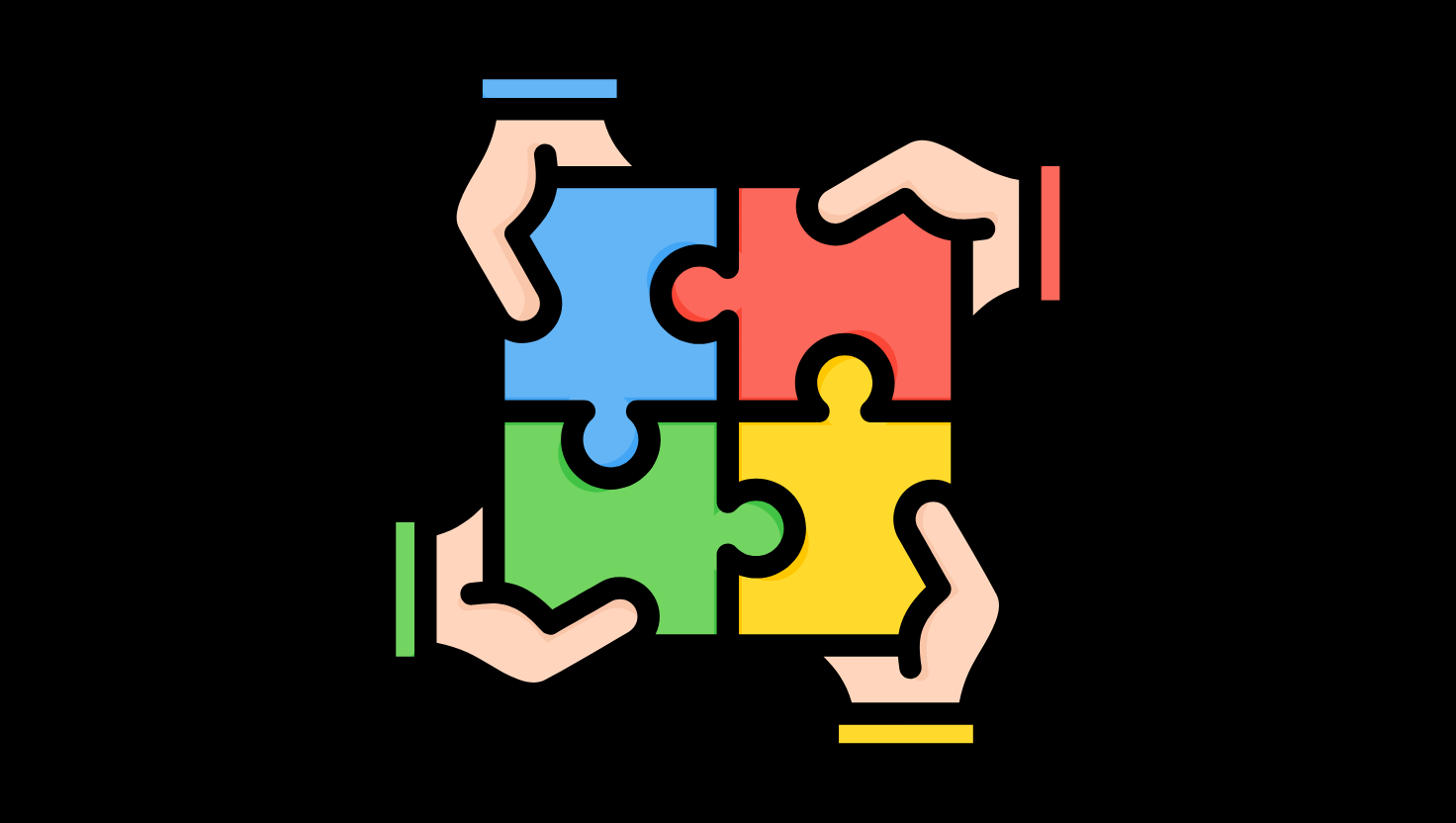
Can One Child Learn Alone?
Let me ask you a simple question.
When was the last time you achieved something meaningful completely alone?
Think about it.
A successful school functions because teachers work together.
A family grows because members support one another.
A sports team wins because players cooperate.
Nature itself thrives through cooperation.
Yet in many classrooms, we expect children to learn alone.
We ask them to sit quietly.
Work individually.
Compete constantly.
And then we wonder why collaboration becomes difficult later in life.
The truth is simple:
Human beings grow best when they grow together.
This is the heart of Cooperative Learning.
The Future Belongs to Collaborators
In the past, success often depended on what an individual knew.
Today, success depends on how effectively people work together.
The modern workplace values:
- Teamwork
- Communication
- Collaboration
- Problem-solving
- Emotional intelligence
These skills cannot be developed through lectures alone.
They must be experienced.
Cooperative Learning creates these experiences inside the classroom.
What Is Cooperative Learning?
Cooperative Learning is an instructional approach where students work together in small groups to achieve a shared learning goal.
Unlike traditional group work, Cooperative Learning is carefully structured.
Every student has a role.
Every student contributes.
Every student is responsible for learning.
Success is not individual.
Success is shared.
The Difference Between Group Work and Cooperative Learning
Many teachers believe they are already using Cooperative Learning because they occasionally ask students to work in groups.
But group work and Cooperative Learning are not the same.
Group Work
- One student does most of the work.
- Some students remain passive.
- Participation is unequal.
Cooperative Learning
- Every student has a responsibility.
- Every student participates.
- Everyone succeeds together.
Cooperation is not simply sitting together.
It is learning together.
A Classroom Example
Imagine you are teaching the water cycle.
Divide students into groups of four.
Assign roles:
Student 1
Researcher
Student 2
Illustrator
Student 3
Presenter
Student 4
Recorder
Each student contributes differently.
The group succeeds only when everyone completes their role.
Learning becomes a shared responsibility.
Why Cooperative Learning Works
Because children learn naturally through interaction.
When students discuss ideas, explain concepts, and solve challenges together, learning becomes deeper.
They learn not only the subject matter but also:
- Listening
- Respecting others
- Sharing responsibilities
- Managing disagreements
- Working towards common goals
These are life skills.
Not just classroom skills.
Benefits of Cooperative Learning
1. Increases Student Engagement
Students become active participants rather than passive listeners.
2. Improves Academic Achievement
Explaining ideas to peers strengthens understanding.
3. Develops Social Skills
Students learn how to communicate effectively and respectfully.
4. Builds Confidence
Every student gets opportunities to contribute.
5. Encourages Inclusion
Students learn to value different perspectives and abilities.
A Lesson from Nature
Look at a flock of birds.
They fly together.
They support one another.
When one bird tires, others help maintain the formation.
Nature teaches us that cooperation is often more powerful than competition.
The same principle applies in education.
A classroom should not be a collection of isolated learners.
It should be a community of growth.
Common Mistakes Teachers Make
Confusing Group Work with Cooperative Learning
Simply placing students in groups is not enough.
Structure matters.
Allowing One Student to Dominate
Every student must have a meaningful role.
Ignoring Accountability
Students should be responsible for both individual and group learning.
Focusing Only on the Final Task
The quality of collaboration matters as much as the outcome.
The Teacher’s New Role
In Cooperative Learning, the teacher becomes:
- A facilitator
- A coach
- A mentor
- A designer of learning experiences
The teacher creates opportunities for meaningful interaction and collaboration.
Learning becomes less about instruction and more about participation.
A Reflection for Every Teacher
Think about your classroom.
Are students merely sitting beside one another?
Or are they learning with one another?
There is a profound difference.
Sitting together creates proximity.
Learning together creates growth.
Final Thoughts
The purpose of education is not merely to create successful individuals.
It is to nurture responsible human beings who can work, learn, and grow with others.
Cooperative Learning reminds us that learning is not a solitary journey.
When students support one another, challenge one another, and learn from one another, education becomes richer and more meaningful.
A single student may achieve success.
But a community of learners can achieve transformation.
And perhaps that is what true education is about.
Not just individual achievement.
But collective growth.
Reflection Question
What is one lesson this week where your students could learn together instead of learning alone?
Try it and observe the difference.
Share your experience in the comments.


Very Nice sir….. Really usefull for everyone.