

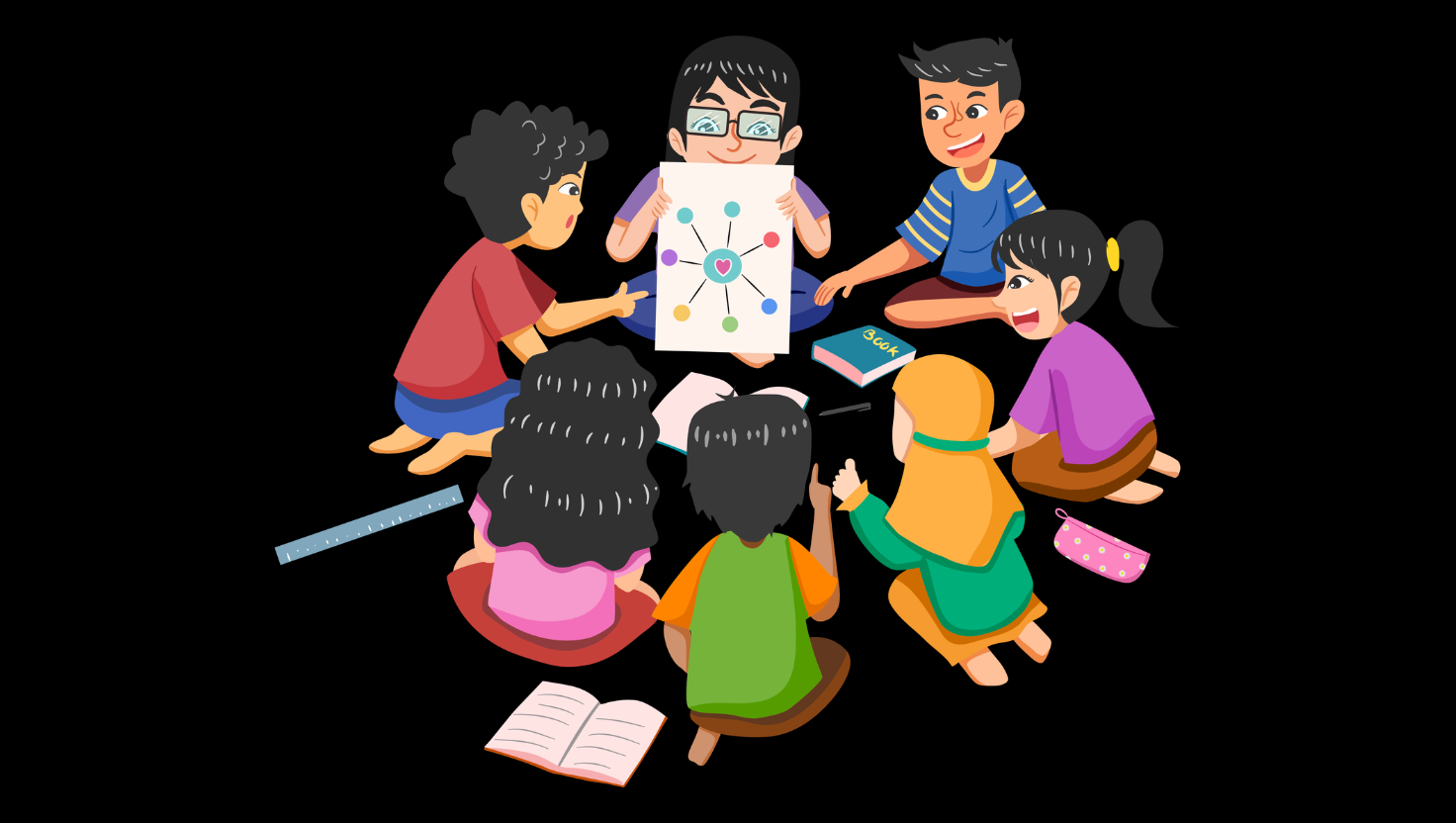
Who Learns More — The Student or the Teacher?
Let me ask you a simple question.
When you explain a concept to someone else, what happens?
You think more carefully.
You organize your thoughts.
You search for better examples.
You try to make the idea clear.
And in the process, something surprising happens.
You begin to understand the concept more deeply yourself.
This is why teachers often learn as much as they teach.
Now imagine if every student in your classroom experienced this.
What if learning was not limited to listening?
What if students also became teachers?
This is the essence of Peer Teaching.
Every Child Has Something to Teach
In many classrooms, we assume that learning flows in one direction.
From teacher to student.
But learning is not a one-way street.
Every child brings unique strengths, experiences, and perspectives.
One student may explain a concept in a way that another student immediately understands.
Sometimes a classmate can explain an idea more effectively than an expert because they speak the same language of learning.
Peer Teaching recognizes this hidden potential.
It reminds us that every student has something valuable to contribute.
What Is Peer Teaching?
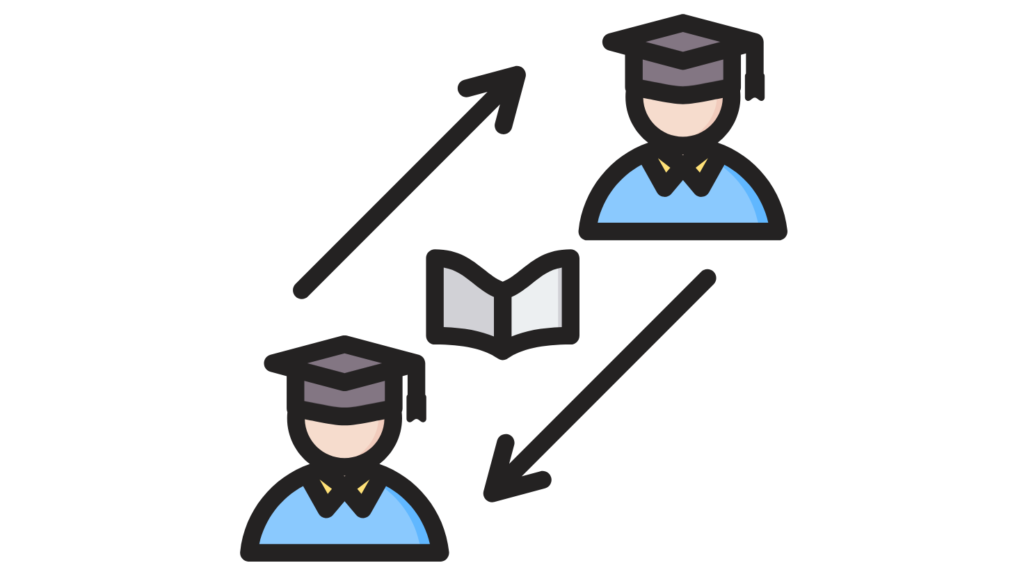
Peer Teaching is an active learning strategy where students teach, explain, guide, or support one another during the learning process.
Instead of the teacher being the only source of knowledge, students become active participants in teaching and learning.
The classroom becomes a learning community rather than a learning hierarchy.
Why Peer Teaching Works
Think about how children learn outside school.
They learn games from friends.
They learn mobile apps from friends.
They learn social skills from friends.
Peer learning happens naturally.
When students teach one another, they:
- Clarify their own understanding
- Practice communication skills
- Build confidence
- Learn collaboratively
Teaching becomes learning.
Learning becomes teaching.
A Classroom Example
Suppose you are teaching fractions.
After explaining the concept, divide students into pairs.
Ask each student to explain one fraction problem to their partner.
Now something interesting happens.
The student who explains must think carefully.
The student who listens receives an explanation in student-friendly language.
Both students learn.
Both students grow.
Different Ways to Use Peer Teaching
1. Pair Teaching
Students explain concepts to a partner.
2. Peer Tutoring
A student who understands a topic supports another student.
3. Student Presentations
Students teach a small topic to the entire class.
4. Jigsaw Activities
Students become experts and teach their group members.
5. Group Discussions
Students share ideas and learn from one another.
Benefits of Peer Teaching
1. Deepens Understanding
Teaching requires deeper thinking than listening.
2. Builds Confidence
Students gain confidence when they explain ideas successfully.
3. Improves Communication Skills
Students learn how to express ideas clearly.
4. Encourages Collaboration
Learning becomes a shared responsibility.
5. Increases Participation
More students become actively involved in the learning process.
A Powerful Truth About Learning
There is an old saying:
“To teach is to learn twice.”
When students teach others, they revisit concepts from a different perspective.
They discover gaps in their understanding.
They strengthen their knowledge.
And they develop ownership of their learning.
This is why Peer Teaching can be so powerful.
Common Mistakes Teachers Make
Assuming Only Top Students Can Teach
Every student can teach something.
Peer Teaching is not about perfection.
It is about participation.
Providing No Structure
Students need clear instructions and goals.
Expecting Immediate Results
Like any learning strategy, Peer Teaching improves with practice.
Ignoring Reflection
Students should reflect on what they learned while teaching.
The Teacher’s New Role
In Peer Teaching, the teacher becomes:
- A facilitator
- A mentor
- A learning designer
- A guide
The teacher creates opportunities for students to learn from one another.
The teacher no longer carries the entire burden of teaching.
Learning becomes a collective effort.
A Reflection for Every Teacher
Think about your classroom.
How many opportunities do students have to explain concepts to others?
How often do students become teachers?
If students only listen, they may remember.
If students explain, they begin to understand.
If students teach, they begin to master.
Final Thoughts
Education is not about creating dependence on the teacher.
Education is about helping students discover their own capabilities.
Peer Teaching reveals something beautiful.
Within every learner, there is also a teacher.
When students begin teaching one another, confidence grows.
Understanding deepens.
Communication improves.
And the classroom becomes a community of shared learning.
Perhaps the goal of education is not merely to fill minds with knowledge.
Perhaps it is to awaken the teacher that already exists within every child.
Reflection Question
Can you think of one lesson next week where your students could teach part of the topic to their classmates?
Try it and observe the difference.
Share your experience in the comments.


A collaborative teaching method in which students step out of the role of the teacher and exchange knowledge with their peers or classmates. It creates a reciprocal environment, where everyone can play the role of both teacher and student, instead of the traditional ‘teacher-student’ one-way process.