

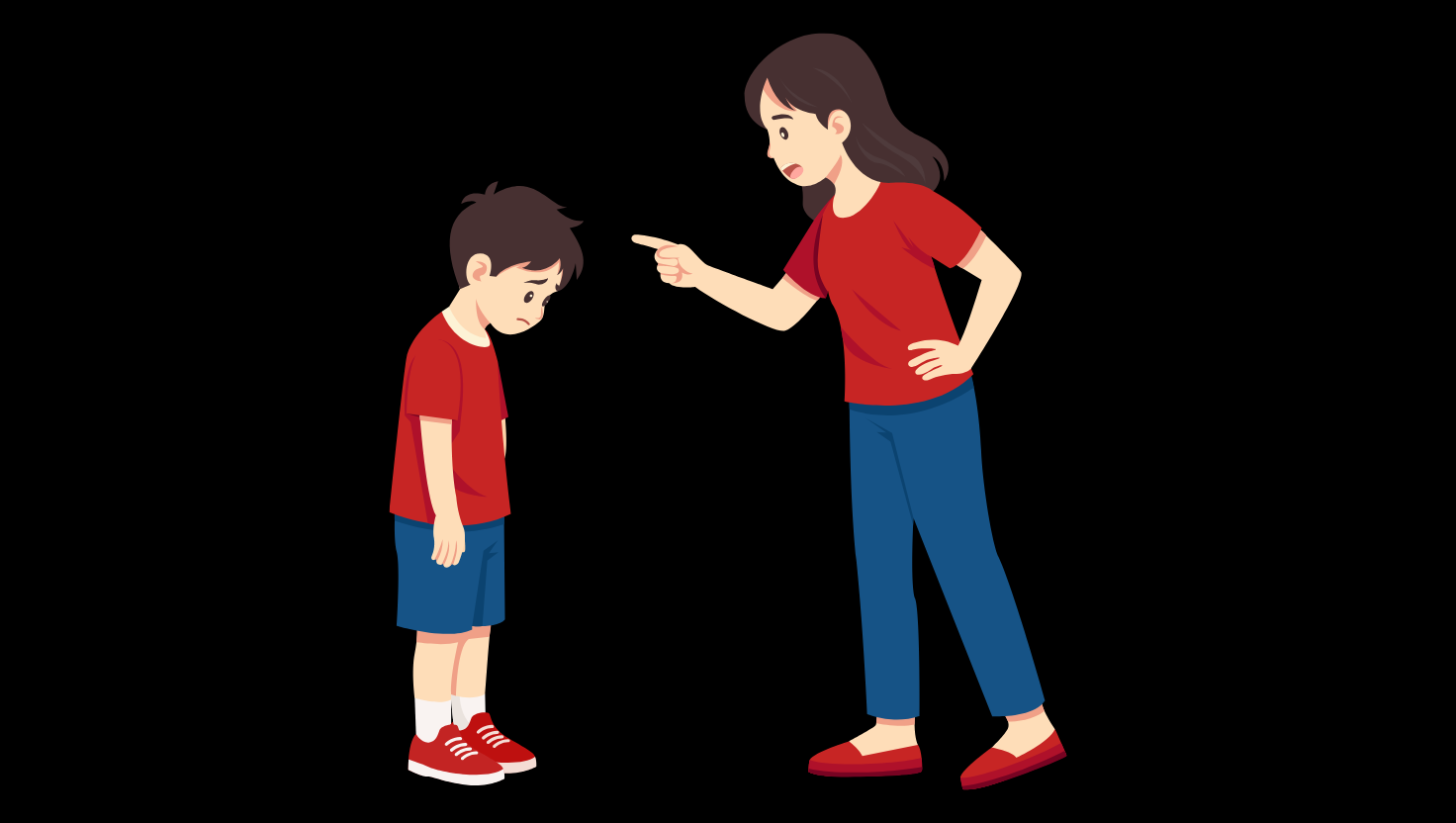
Perhaps the Child Needs Understanding More Than Punishment
“Every teacher remembers one child who disturbed the class. Years later, many of us realise that the child was not asking for punishment. The child was asking for help.”
There Is One Child in Almost Every School
Every school has one.
Teachers know his name.
Students know his name.
Sometimes even parents know his name.
The moment he enters the classroom…
The teacher silently prays,
“May today be peaceful.”
He interrupts lessons.
Pokes classmates.
Cannot sit quietly.
Misses homework.
Argues.
Blames others.
Rarely accepts mistakes.
Soon…
Everyone begins calling him,
“The problem child.”
But let me ask you something.
What if the child is not the problem?
What if the behaviour is the problem?
There is a great difference.
Labels Become Prisons
The moment we call a child
“naughty”
“lazy”
“troublemaker”
“hopeless”
the child slowly begins living inside that label.
Children often become what adults repeatedly tell them they are.
A teacher must never forget this power.
Correct behaviour.
Never define the child.
Five Practices That Can Help Teachers
1. Build One Trusted Relationship
Every child should have one adult in school who genuinely connects with them.
Not to lecture.
Not to punish.
Simply to listen.
Spend five minutes each week asking:
“How are you today?”
“What made you happy this week?”
Children change more through relationships than through punishment.
2. Notice the Good Before Correcting the Wrong
Many children hear,
“Don’t do that.”
hundreds of times every week.
Very few hear,
“I noticed you waited patiently today.”
“Thank you for helping your classmate.”
Positive behaviour grows when it is noticed.
3. Give Responsibility, Not Isolation
When classmates avoid a child…
It is tempting to make the child sit alone.
Sometimes this becomes necessary for short periods.
But long-term isolation often deepens loneliness.
Instead…
Give meaningful responsibility.
- Arrange classroom books.
- Help distribute worksheets.
- Water classroom plants.
- Assist the teacher with simple tasks.
Responsibility builds self-worth.
4. Create Small Successes
Do not expect overnight transformation.
Celebrate very small improvements.
Perhaps today…
He interrupted only twice instead of ten times.
That is progress.
Children grow through encouragement.
Not through comparison.
5. Work as One Team
Every teacher should use similar expectations.
If one teacher allows certain behaviour while another reacts differently, the child receives mixed messages.
Consistency creates security.
The school, not just one teacher, should agree on a few clear expectations and reinforce them together.
When Parents Do Not Accept Feedback
This is perhaps the hardest part.
Sometimes parents immediately defend the child.
Sometimes they believe,
“My child would never do that.”
As teachers, this can feel discouraging.
Yet…
The meeting should never become a courtroom.
Do not argue.
Do not try to “win.”
Instead, discuss specific observations.
For example:
“Over the past two weeks, we have noticed that your child left his seat during class on six occasions.”
Facts invite conversation.
Labels invite defensiveness.
If possible, share both strengths and concerns.
Parents are more likely to listen when they know you see the whole child, not only the difficulties.
What If Nothing Changes?
There are times when teachers do everything they reasonably can.
The child still struggles.
Parents remain defensive.
Progress is slow.
In such moments, remember this:
Your responsibility is to provide a safe, respectful, and supportive learning environment for every child in the classroom—including the child who struggles.
You cannot control every outcome.
But you can control the quality of your response.
Sometimes change comes months later.
Sometimes years later.
Many adults remember one teacher who never gave up on them, even when everyone else had.
A Thought for School Leaders
Children with persistent behavioural challenges should not become the responsibility of one class teacher alone.
Schools can consider:
- A behaviour support plan with clear goals.
- Regular meetings with parents based on observations rather than accusations.
- Counsellor involvement, if available.
- Consistent expectations across all teachers.
- Referral to an appropriate child development or mental health professional if behaviour is persistent and significantly affecting learning, after discussing this sensitively with the family.
Supporting the child is a team effort.
Final Reflection
Every difficult child will eventually grow up.
One day…
He will remember his school.
Perhaps he will remember the punishments.
Perhaps he will remember the complaints.
Or perhaps…
He will remember one teacher who saw beyond the behaviour.
Discipline is necessary.
Boundaries are necessary.
Accountability is necessary.
But none of these become truly effective without understanding.
A teacher’s task is not merely to control behaviour.
It is to help shape character.
Some children are easy to teach.
Some children teach us what patience, compassion, and consistency truly mean.
Perhaps they are not sent to test our teaching.
Perhaps they are sent to deepen it.
🌱 Reflection for Teachers
Instead of asking,
“How do I control this child?”
Try asking,
“What does this child need to learn self-control?”
The first question seeks obedience.
The second seeks transformation.
That is where education begins.
Regards
Praveen Athinagaram
Click here to follow me on YouTube
Click here to follow me on WhatsApp
Click here to follow me on Facebook

A meaningful reminder that every child deserves understanding before judgment. Small acts of patience, encouragement, and empathy can make a lifelong difference. Well written and truly inspiring sir.