

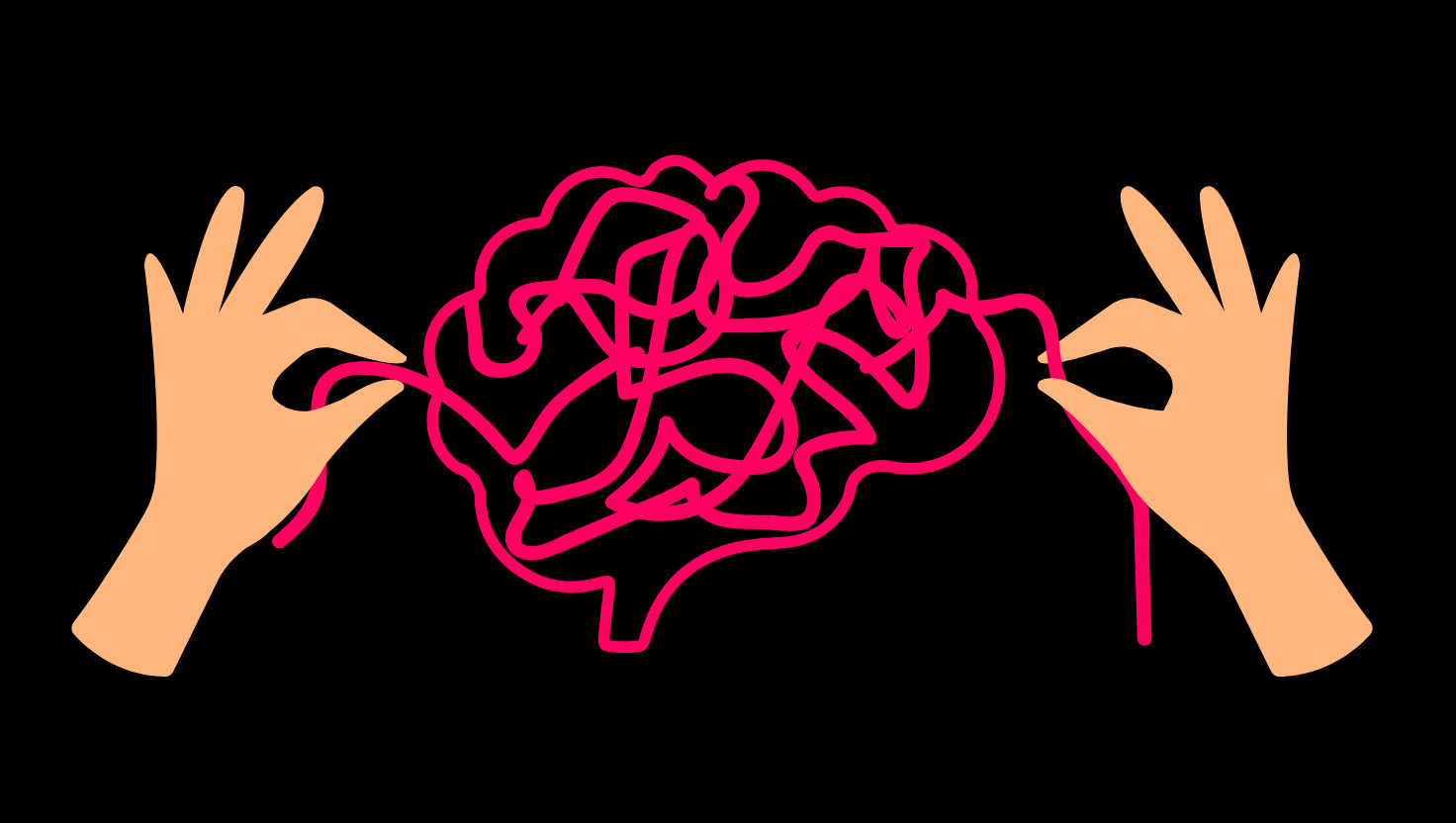
Why Do Students Ask, “Why Are We Learning This?”
Have you ever taught a topic beautifully, completed all the exercises, and then heard a student ask:
“Sir, where will we use this in real life?”
This question is not a challenge to the teacher.
It is a challenge to education itself.
Children naturally want to know whether what they are learning has meaning in their lives.
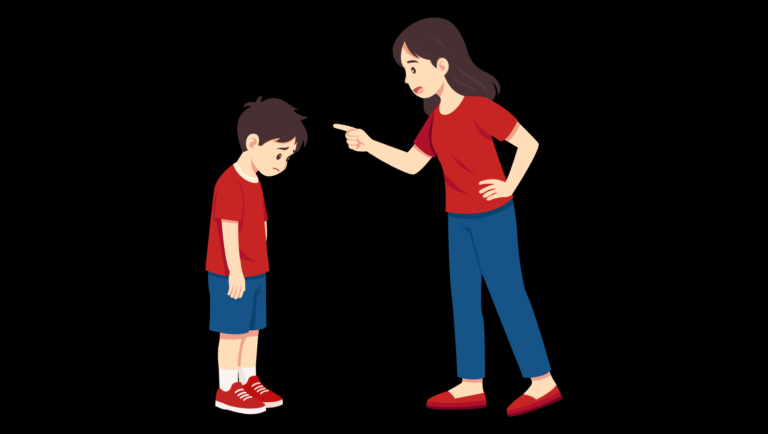
When learning is disconnected from reality, students often memorize information for exams and forget it soon after.
But when learning is connected to real problems, something remarkable happens.
Students become curious.
Students become engaged.
Students become problem-solvers.
This is the essence of Problem-Based Learning (PBL).
The World Has Changed
Twenty years ago, information was valuable because it was difficult to access.
Today, information is available everywhere.
Students can ask Google.
Students can ask AI.
Students can ask ChatGPT.
Information is no longer the challenge.
The challenge is knowing what to do with information.
The future belongs to those who can:
- Solve problems
- Think critically
- Collaborate with others
- Make decisions
- Adapt to change
These skills cannot be developed through memorization alone.
They are developed through experience.
What Is Problem-Based Learning?
Problem-Based Learning is an active learning approach where students learn by solving real-world problems.
Instead of beginning with content, we begin with a challenge.
Instead of giving answers, we encourage investigation.
Instead of memorizing facts, students apply knowledge.
Learning becomes meaningful because it is connected to life.
A Classroom Example
Imagine you are teaching environmental science.
Instead of explaining waste management through a lecture, ask:
“Our school generates a large amount of plastic waste every day. How can we reduce it?”
Now students must:
- Observe
- Collect data
- Discuss ideas
- Research solutions
- Present recommendations
Along the way, they learn science, communication, teamwork, and problem-solving.
The lesson becomes an experience.
Why Does Problem-Based Learning Work?
Because the human mind learns best when it sees purpose.
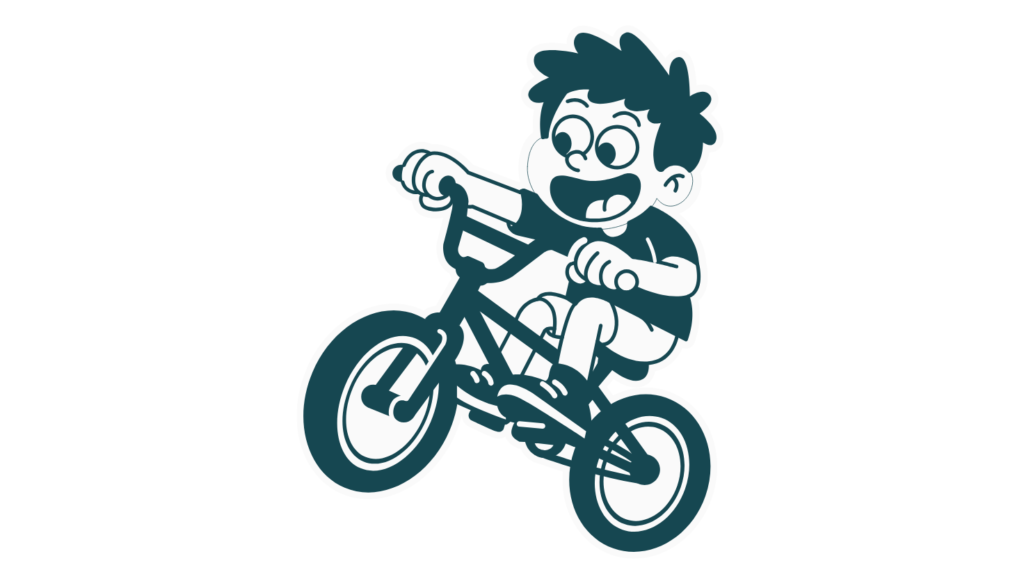
Think about how children learn to ride a bicycle.
Nobody gives them a 20-page manual.
They learn because there is a real challenge.
They try.
They fail.
They adjust.
They improve.
Learning becomes natural.
Problem-Based Learning follows the same principle.
Benefits of Problem-Based Learning
1. Develops Critical Thinking
Students learn to analyze situations and make informed decisions.
2. Increases Engagement
Real-world problems naturally create interest and curiosity.
3. Encourages Collaboration
Students learn how to work together and value different perspectives.
4. Builds Confidence
When students solve real problems, they begin to trust their own abilities.
5. Promotes Lifelong Learning
Students learn how to find solutions independently rather than waiting for answers.
Real Problems, Real Learning
Problem-Based Learning can be applied in every subject.
Mathematics
How can we design a school garden within a fixed budget?
Science
How can we conserve water in our school?
Social Science
How can traffic congestion around the school be reduced?
English
How can we create an awareness campaign for environmental protection?
The possibilities are endless.
Common Mistakes Teachers Make
Choosing Problems That Are Too Difficult
The challenge should stretch students without overwhelming them.
Giving Answers Too Quickly
Allow students to struggle a little.
Growth often happens in that space.
Focusing Only on the Final Solution
The learning process is more important than the answer itself.
Ignoring Reflection
Students should reflect on what worked, what didn’t, and what they learned.
The Teacher’s New Role
In Problem-Based Learning, the teacher is not simply a provider of information.
The teacher becomes:
- A facilitator
- A mentor
- A guide
- A coach
The teacher creates the challenge and supports the learning journey.
A Reflection for Every Teacher
Think about your classroom.
How many activities are preparing students for an exam?
And how many are preparing them for life?
Education is not merely about helping students answer questions.
It is about helping them solve problems.
Because life will not give them a question paper.
Life will give them challenges.
Final Thoughts
The purpose of education is not to create students who know everything.
The purpose of education is to create students who can face the unknown with confidence.
Problem-Based Learning helps students move from passive listeners to active problem-solvers.
When children learn through real challenges, they do not simply acquire knowledge.
They develop wisdom.
And wisdom is what the world needs most today.
Reflection Question
What real-world problem could your students solve this month?
Share your ideas in the comments and inspire fellow educators.


Thoughtful information
Very good information. If our knowledge aligns with AI, it paves the way for a wonderful future for us.